The Second Brew of Tea as Material
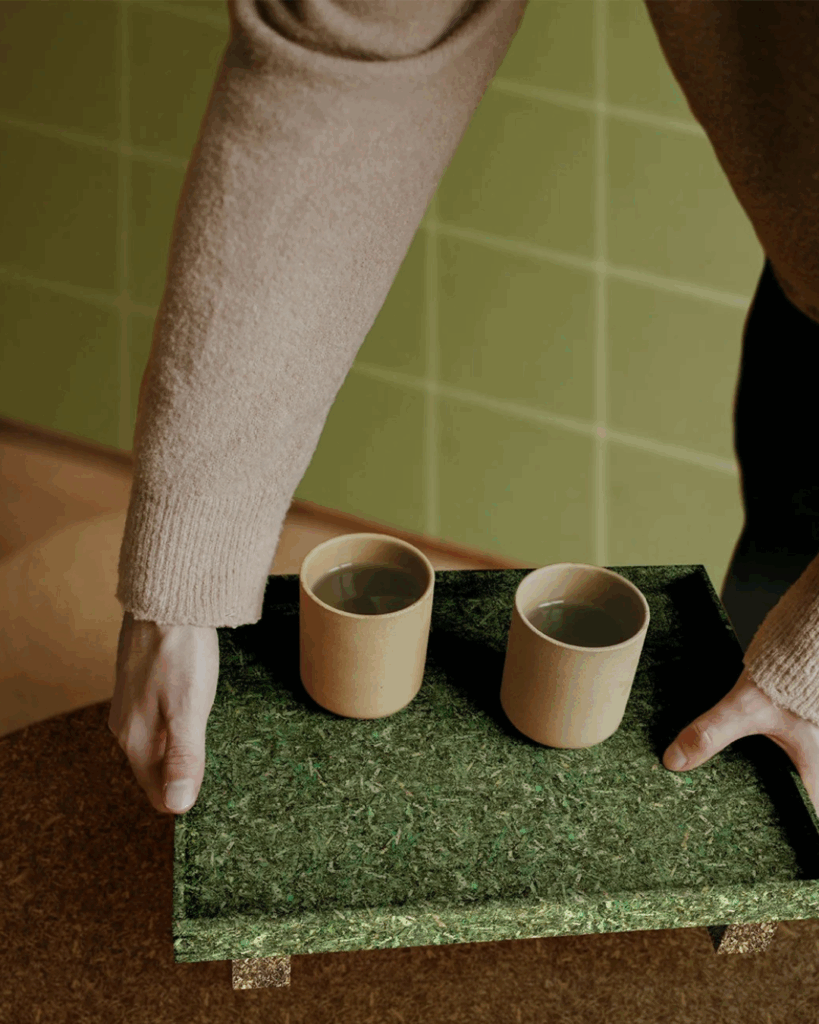
Tea holds a special place in the lives of people across all ages, whether it’s a carefully brewed pot of Pu’er or Longjing, or a trendy cup of bubble tea or hand-pressed lemon tea. Yet once the essence of the leaves has been enjoyed, the spent tea is usually discarded without a second thought. A group of young innovators saw potential in this overlooked “waste” and transformed it into opportunity by regenerating used tea leaves into new materials that can replace wood, plastic, and traditional paper, opening a world of sustainable possibilities.
Creating Without Costing the Planet
The founder, an industrial designer with experience in digital products, noticed most items relied on plastics that could not be recycled or biodegraded. This inspired him to rethink how products could be designed more responsibly.
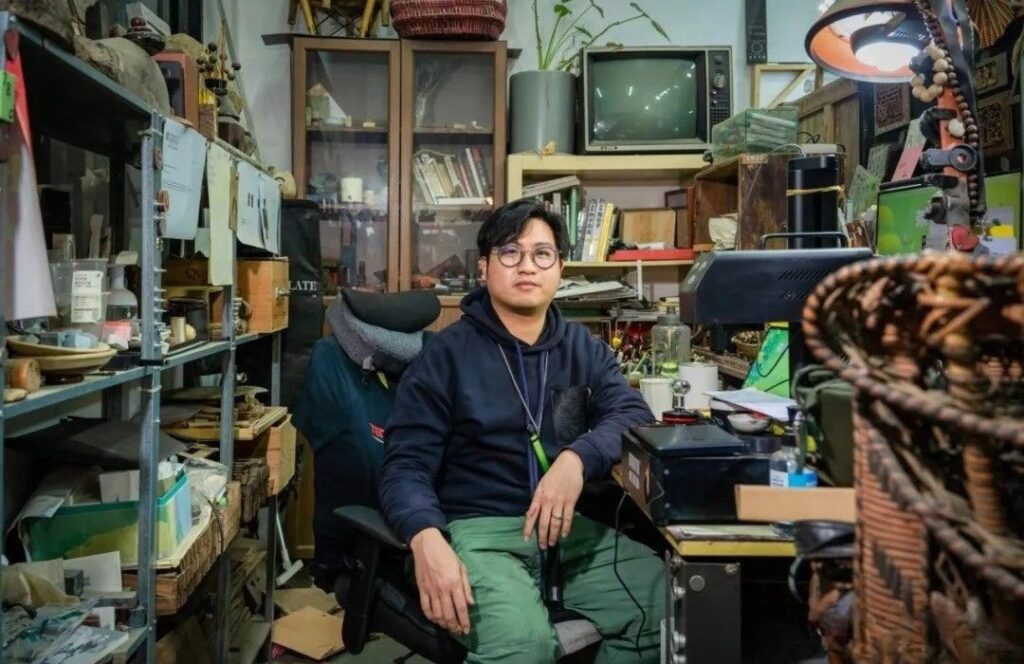
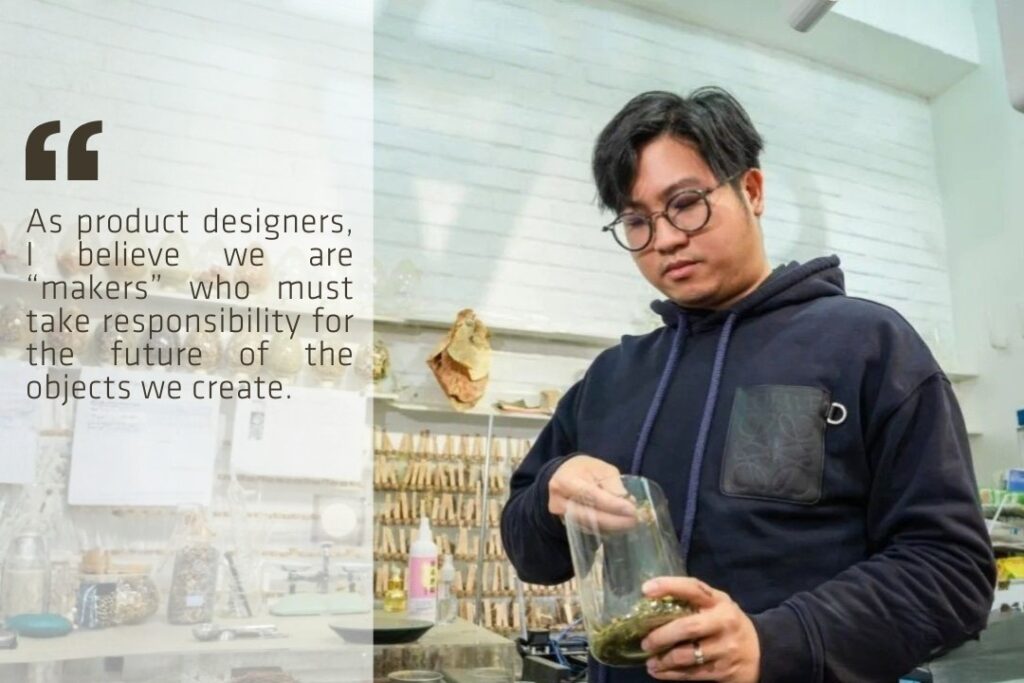
Once an object is discarded, whether it goes to a landfill, is incinerated, or is reused, the responsibility remains with its maker. With this in mind, the founder began to explore how designers could prioritize sustainability and move beyond the traditional “use and discard” approach.
Tea as a Legacy of Leaves
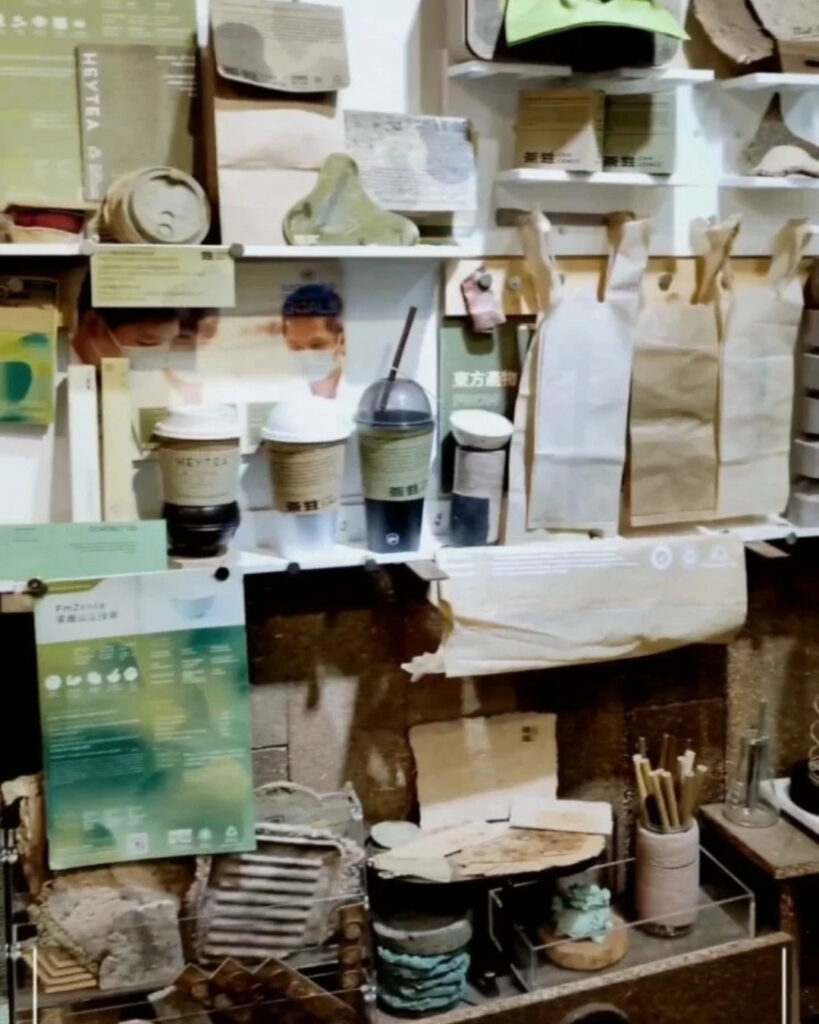
In 2018, the founder observed the rapid rise of new-style tea brands like HEYTEA and Nayuki and began to reflect on the impact of such booming demand. “With so much consumption, what does it bring?” he asked. What he saw was waste, with more tea leaves being discarded and more disposable cups and packaging thrown away. Much of what was considered “trash” still had value. It was against this backdrop that the idea for CHAZENCE began to take shape.
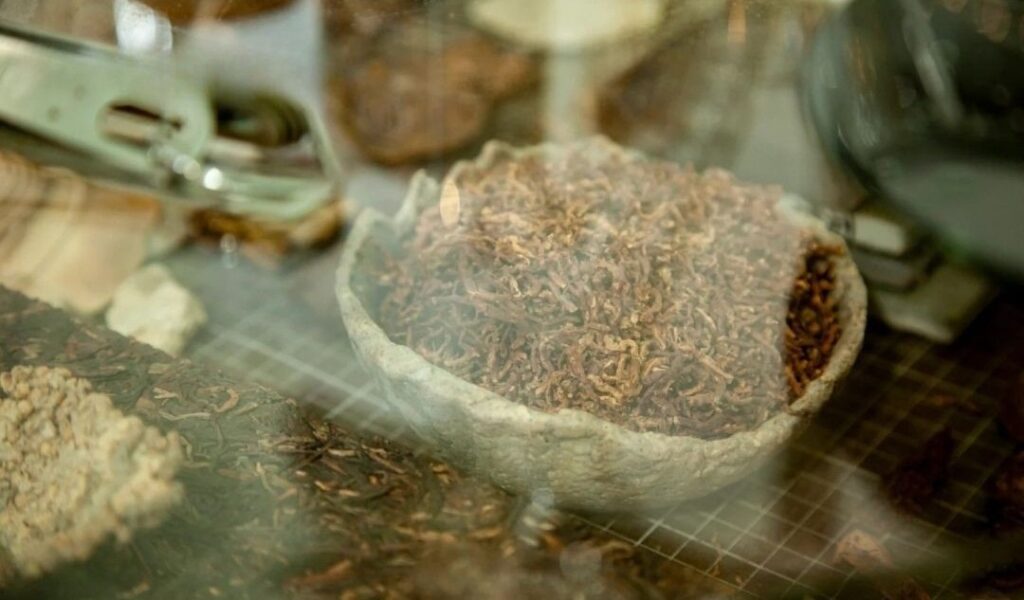
Another reason that inspired the founder to choose tea is his vision of creating a material deeply rooted in Eastern culture. Tea has a 5,000-year history in China, shaped by both tradition and transformation. From classic tea tasting to bubble tea and the recent trend of “around-the-hearth tea brewing,” he hopes the industry continues to grow in diverse and creative ways, and that materials made from discarded tea leaves can find a place in contemporary life.
Tea Leaves Vs Coffee Ground
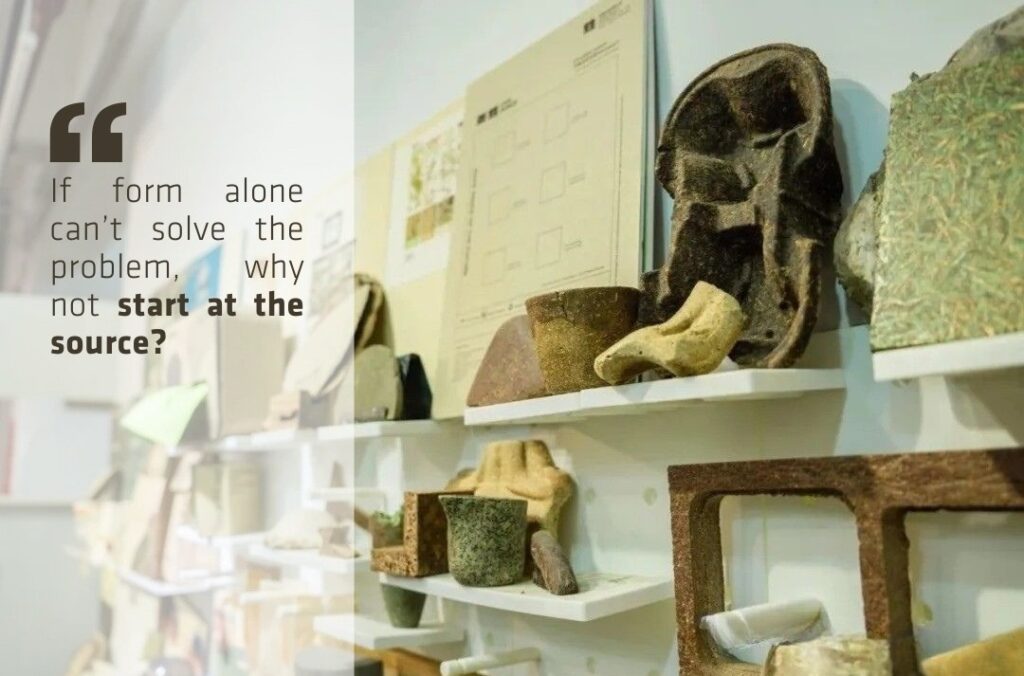
Coffee grounds are frequently recycled in various applications, but their lack of fibrous structure makes them unsuitable as a standalone structural base. To create products, coffee grounds must be combined with other materials. In contrast, used tea leaves are more malleable and versatile, making them better suited for a wide range of applications.
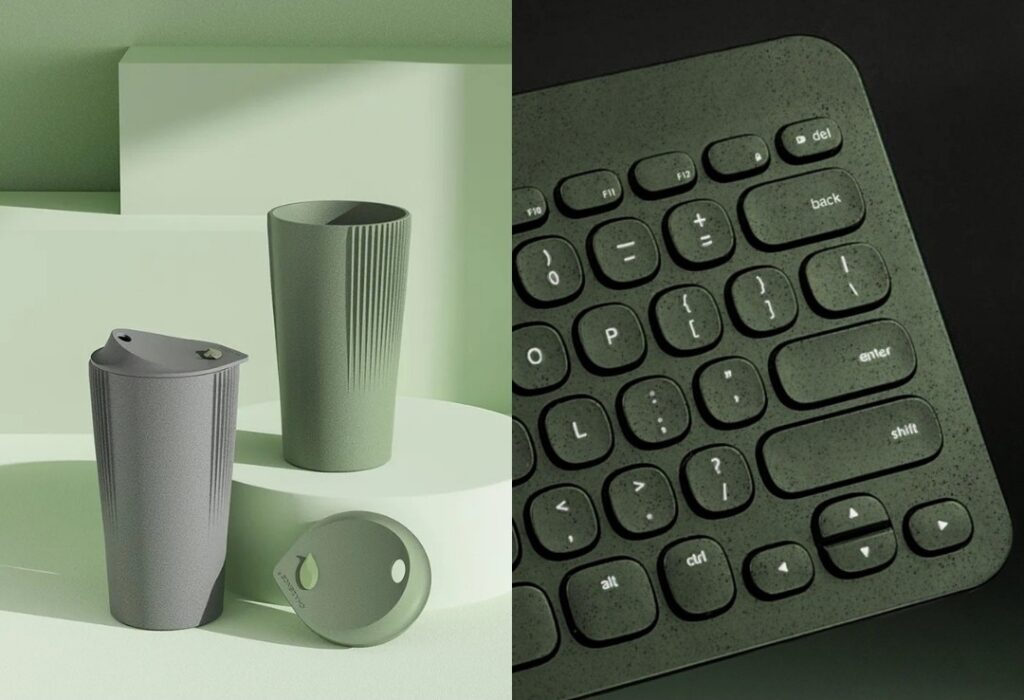
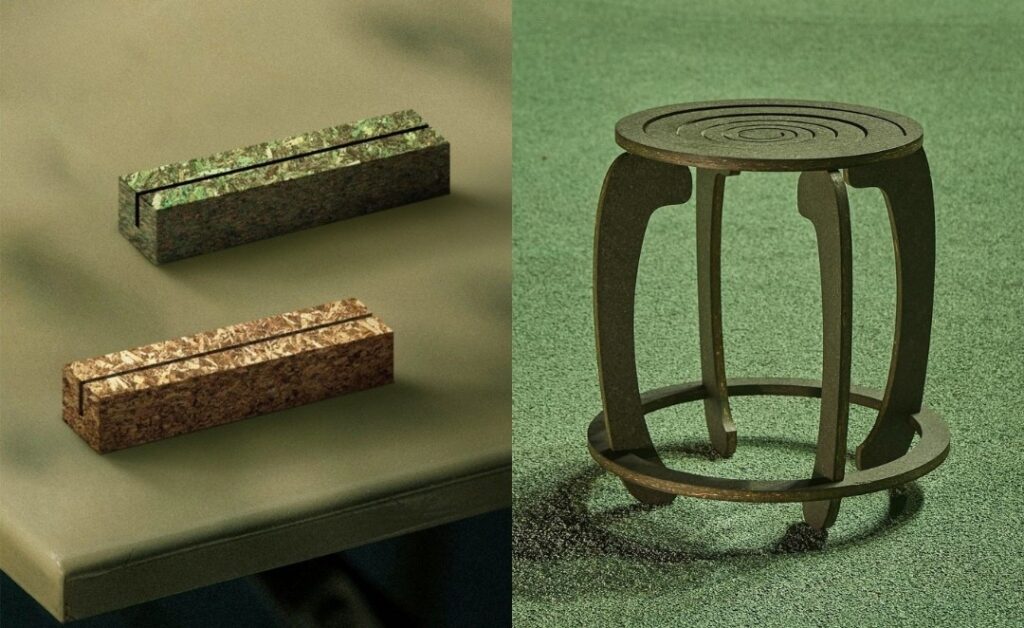
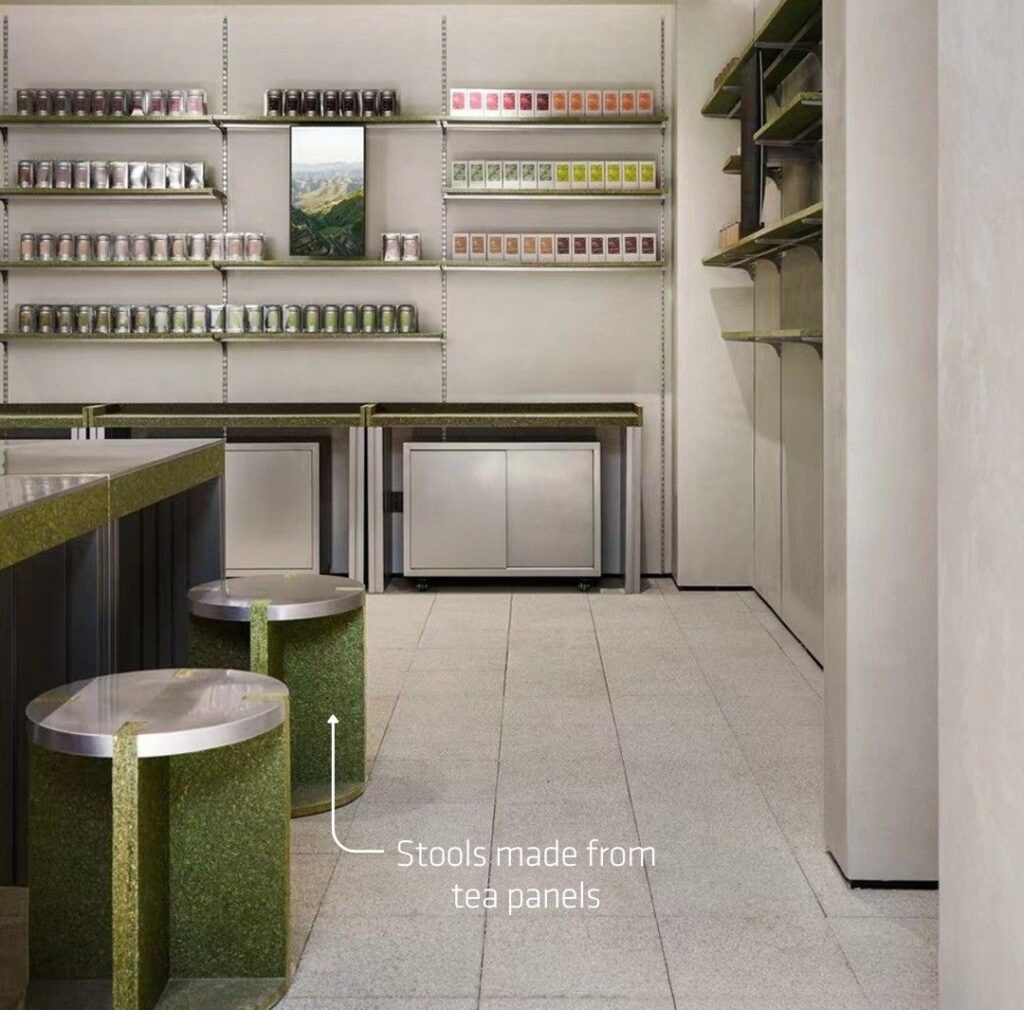
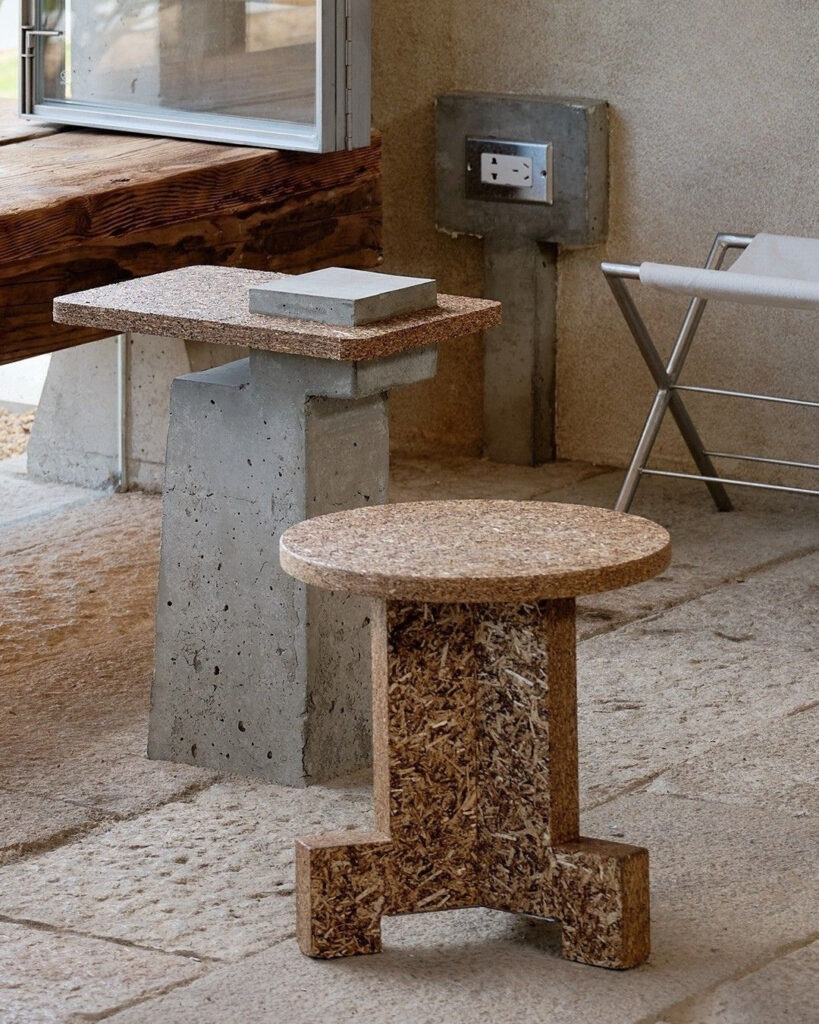
This eco-friendly tea-fiber material offers a sustainable alternative to paper, plywood, wood, and plastic products. It can be directly 3D-printed into models, achieves a hardness three times that of cement, and boasts properties such as water resistance, washability, and high-temperature tolerance. Products made from this material are also 100% naturally biodegradable.
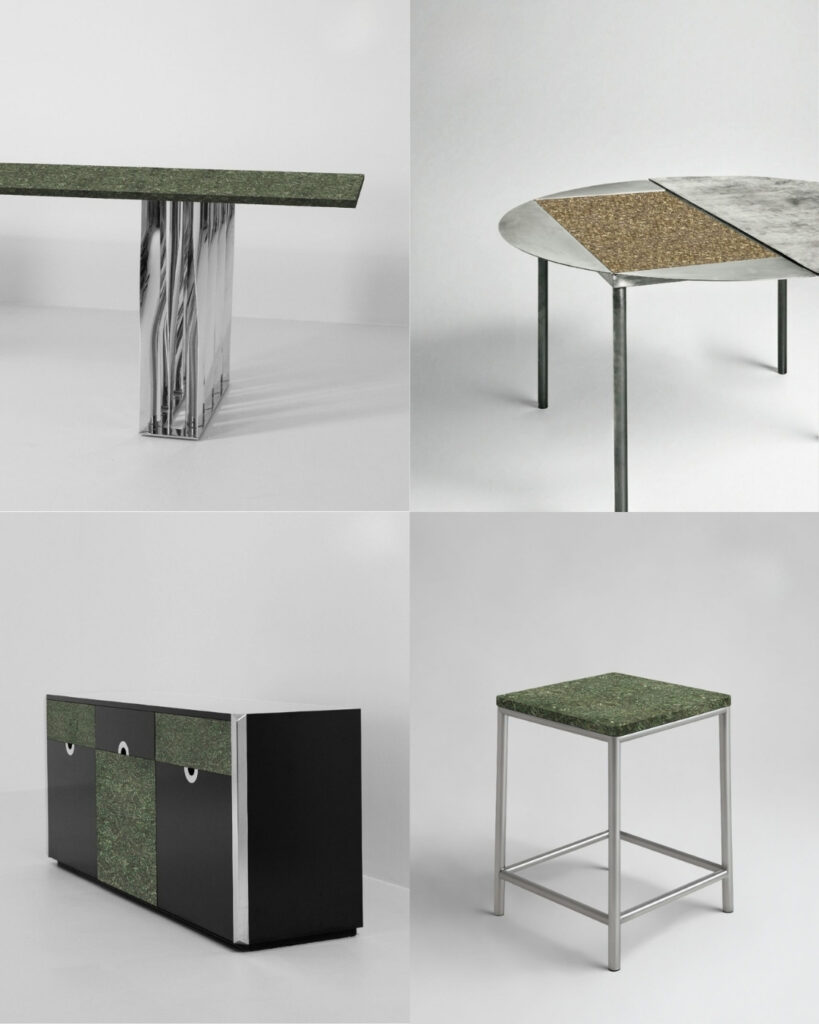
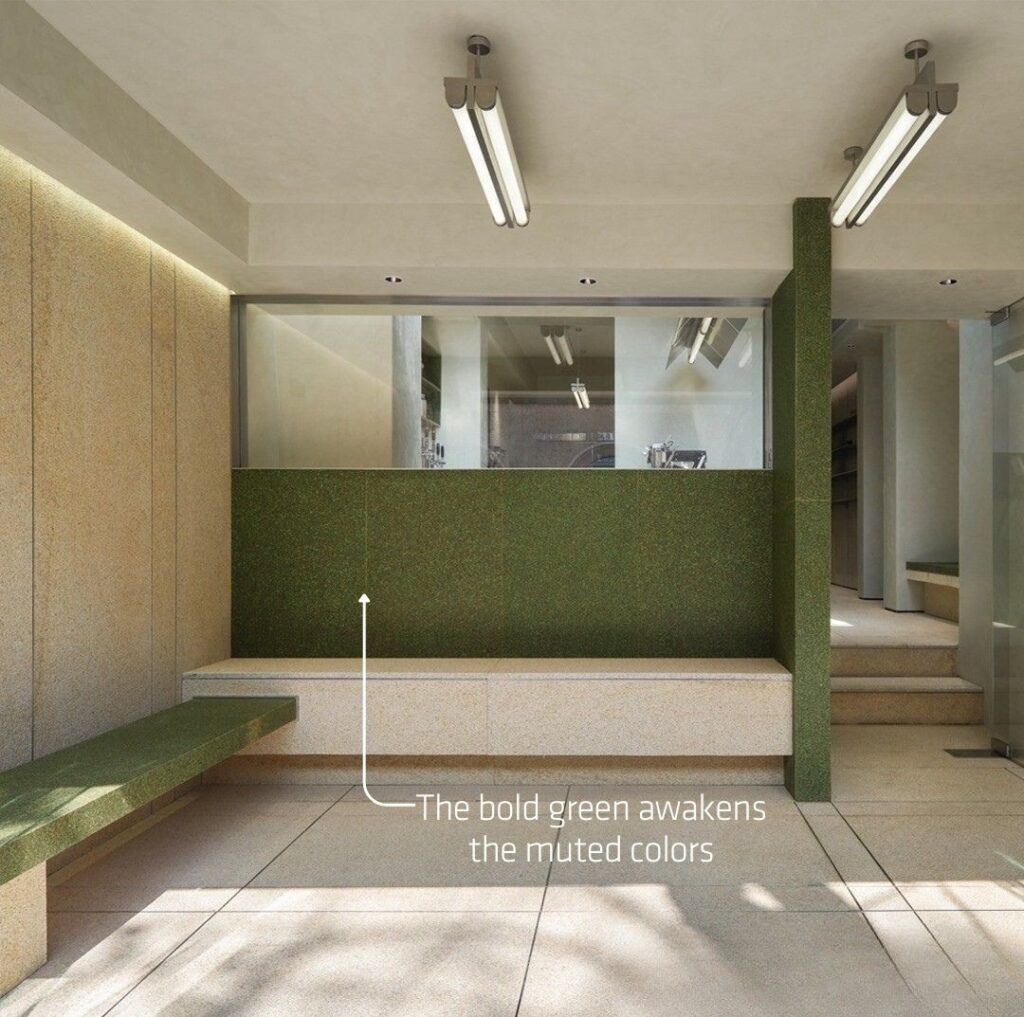
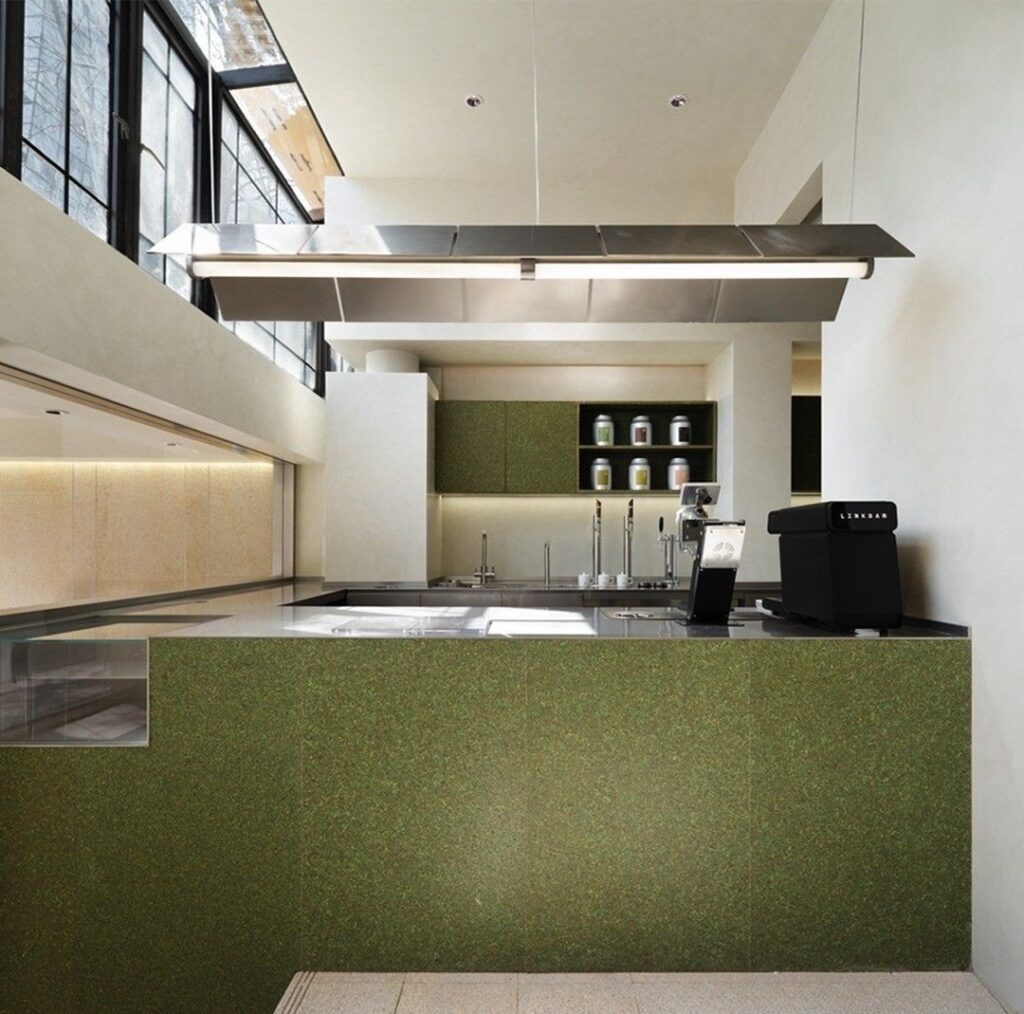
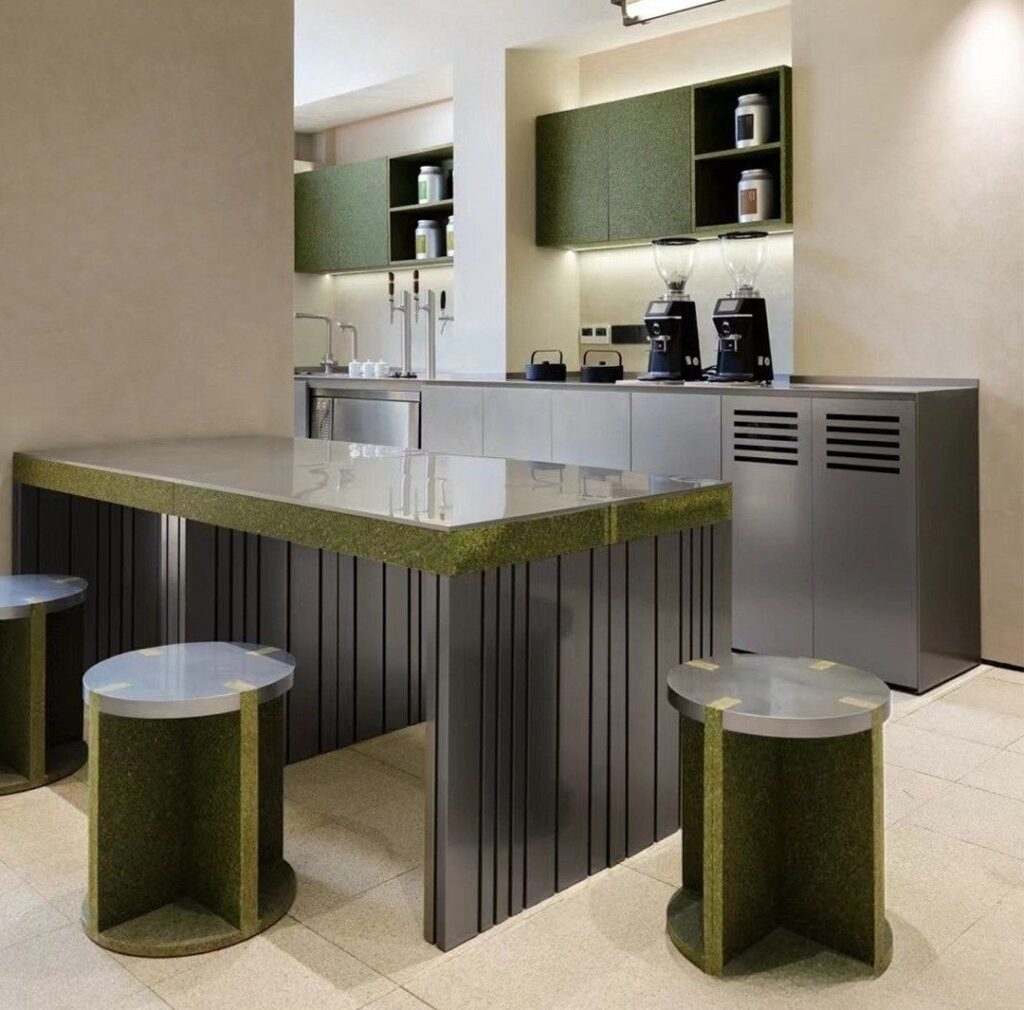
With its inherent hardness and durability, this material extends beyond furniture making into interior applications. Across several projects, it has been spatially integrated as an architectural element, shaping the experience of space while reinforcing the overall design intent.
Tea Makes Biodegradables Possible Anywhere
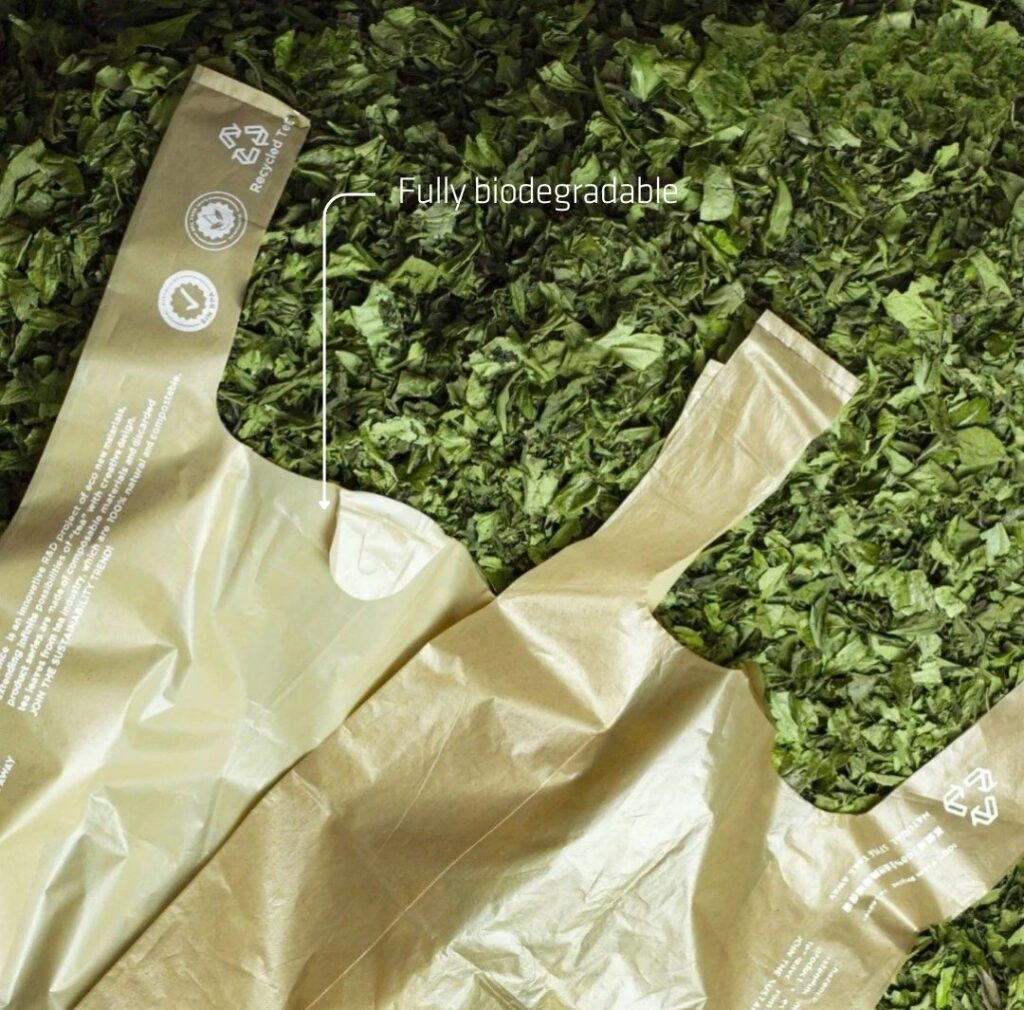
Many “biodegradable” materials, like PLA from corn starch or sugarcane fiber, need high heat or humidity to break down. While Europe and the U.S. have the facilities to handle this, many parts of Asia face slower technological development, making sustainable goals harder to reach. However, tea-fiber material contains no additives and can naturally decomposes in ordinary soil, without extra heat or special conditions.
Rural Revitalization One Leaf at a Time
The company has also shifted how it collects spent tea leaves. Initially, it mainly sourced tea dregs from large domestic bubble tea shops, but now it primarily works with tea plantations. Collecting brewed tea leaves from bubble tea shops is labor-intensive and costly to transport, making it impractical to pass these costs onto clients.
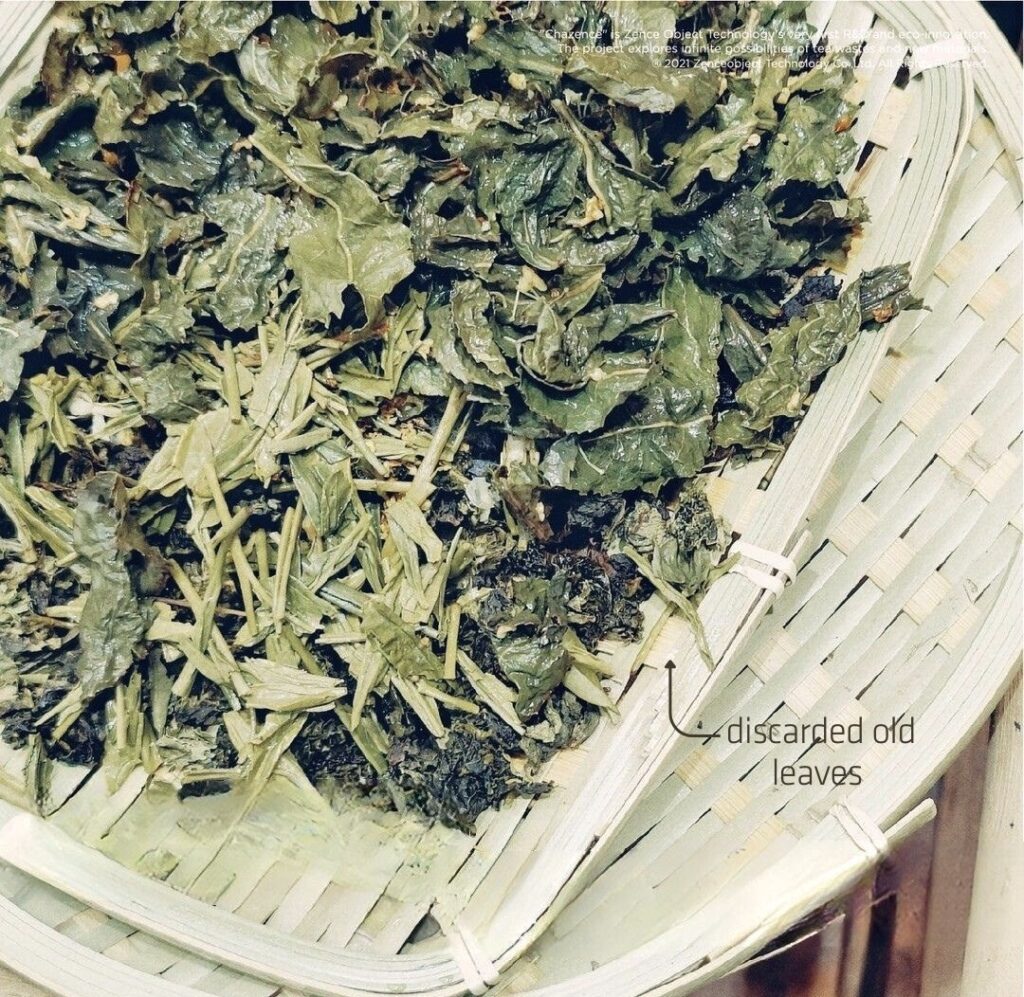
A more significant reason for partnering with tea plantations aligns with the national push for rural revitalization. When farmers harvest tea, they discard branches, stems, and old leaves. By purchasing these leftover leaves, the company helps increase farmers’ income while fostering cooperative relationships that benefit producers, businesses, and tea farmers alike.
Making Green Choices Accessible
Sustainable products are often perceived as expensive, which can make them difficult for consumers to adopt. The team realized that as the market grows and demand increases, their material could be produced more affordably because larger production naturally lowers costs. For example, smartphones once sold for over RM4,000, but today, with many brands available, a smartphone can cost as little as RM1,500. By working with trusted companies, they aim to stimulate the market, making sustainable living easier to access and more appealing while reaching a wider audience.

The potential for regeneration goes beyond tea. Bitter Chinese herbal residues can be reused in the same way, creating new possibilities. The team also plans to explore other materials from Eastern culture, continuing their focus on recycling and sustainable innovation. Contact us if you would like to include this material in your next project.
Contact us to know more 🗺️
Other local projects



Note: To protect our designers & suppliers community from spam and harassment. Your contact requested will be routed to our representative first. We will connect you to the representative asap. If our editor might have published your project with consent, do drop us a message via here to remove it or claim this officially.